Dried Herb Color in Fashion and Silk Textiles
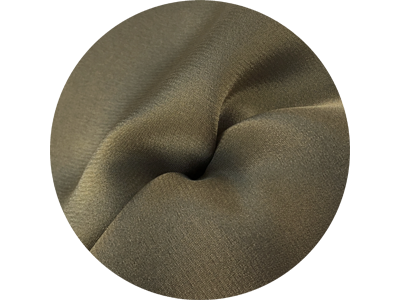
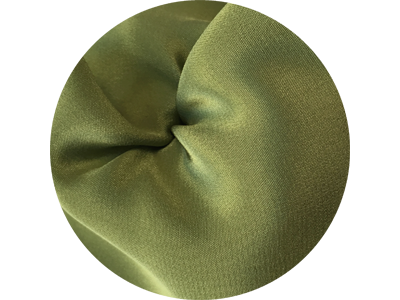
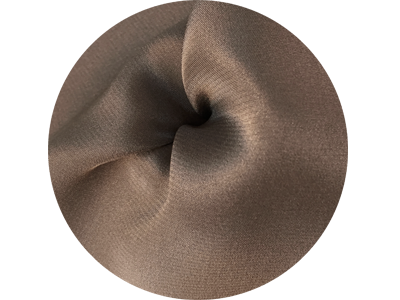
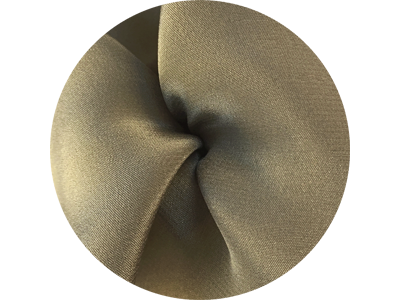
There is something deeply grounding about the color known as Dried Herb. Sitting at the intersection of sage green, warm gray, and faded olive, it carries within it the memory of summer gardens gone quiet in autumn, of bundles of lavender and rosemary hung to dry in old farmhouses. It is not a loud color. It does not announce itself. And yet in recent seasons, Dried Herb has emerged as one of the most sought-after tones in fashion and textiles, particularly in the world of luxury silk, where its understated depth finds its fullest and most beautiful expression.
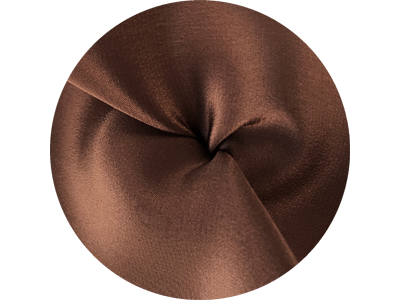
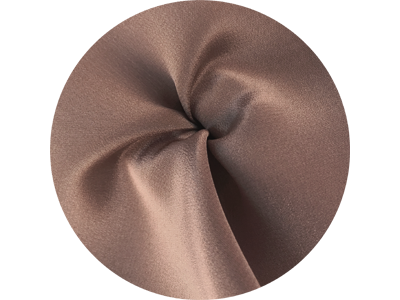
As a color, Dried Herb belongs to the broad family of muted botanicals that have been gaining momentum as consumers move away from synthetic-feeling brights and toward palettes that feel organic, wearable across seasons, and emotionally resonant. It pairs effortlessly with warm neutrals like oatmeal, stone, and ecru, and holds its own beside deeper earth tones like walnut, rust, and dark tobacco. In silk specifically, the color takes on a dimension it struggles to find in other fabrics. The natural luminosity of silk gives Dried Herb a subtle silvery quality in natural light, while in lamplight the tone pulls warmer, greener, and more complex. This is precisely why fashion designers who work with the color tend to return to silk as their preferred ground.
In ready-to-wear collections, Dried Herb silk has appeared most compellingly in fluid midi and maxi skirts, where the drape of silk charmeuse or crepe de chine allows the color to shift as the garment moves. The effect is almost liquid, catching light at the folds and releasing it at the hem. These skirts have become wardrobe anchors for women who dress intuitively, pairing easily with ivory linen blouses, soft leather sandals, and unstructured linen blazers in similar muted registers. The color reads as neither feminine nor masculine in the traditional sense, making it a natural fit for the gender-fluid silhouettes that have become so prominent in contemporary dressing.
In tailoring, Dried Herb silk has found a home in relaxed trouser suits, particularly in dupioni or shantung weaves that carry a gentle texture alongside the color's inherent quiet. A Dried Herb shantung suit worn with nothing beneath the jacket is a study in effortless confidence. The slight irregularity of the slub in shantung adds visual interest without disrupting the overall serenity of the palette. Several designers working in the Parisian and Seoul markets have shown this kind of silk suiting in recent seasons as a counterpoint to the heavily structured tailoring that dominated the previous several years.
Custom Silk Scarf Manufacturer
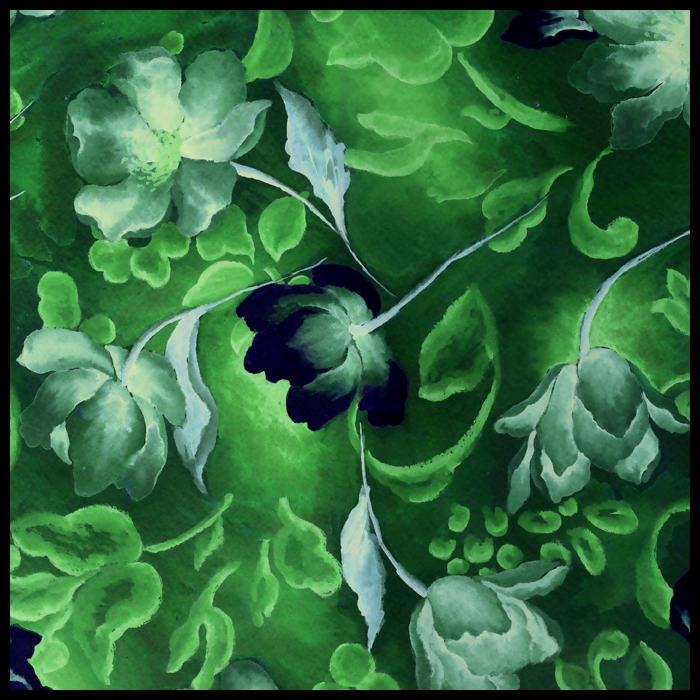
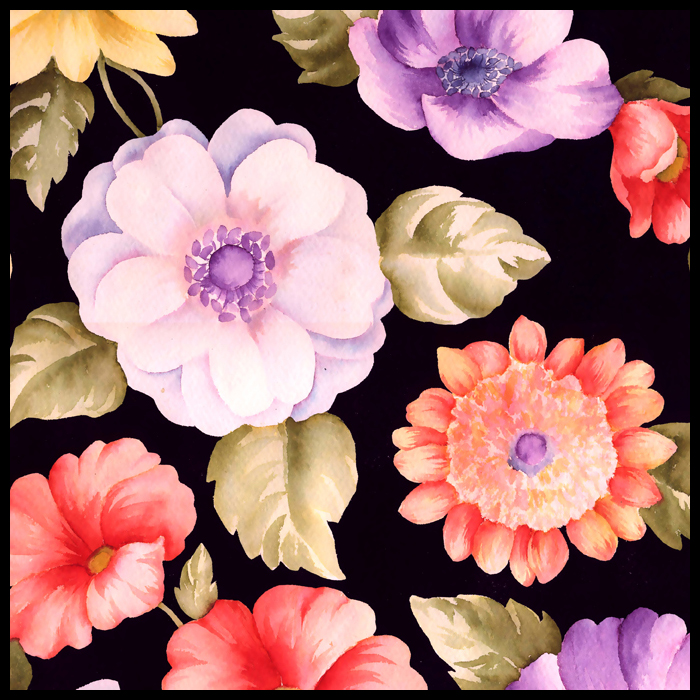
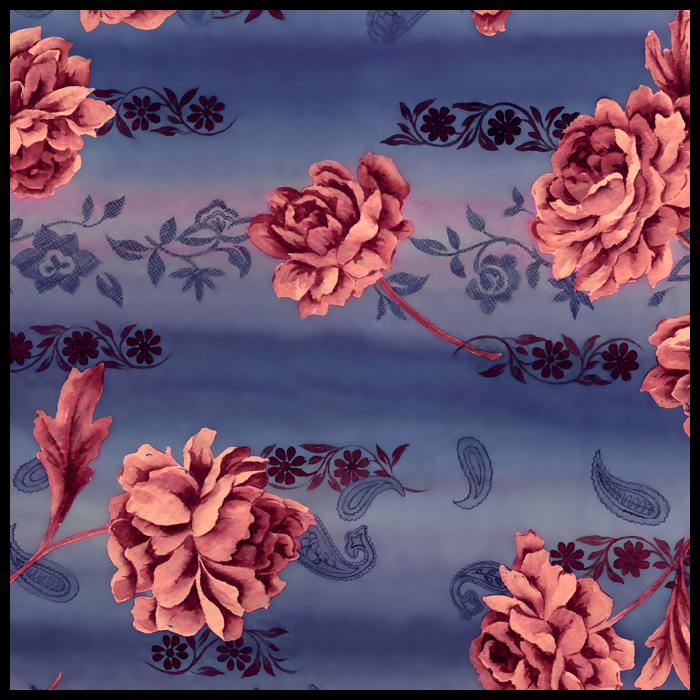
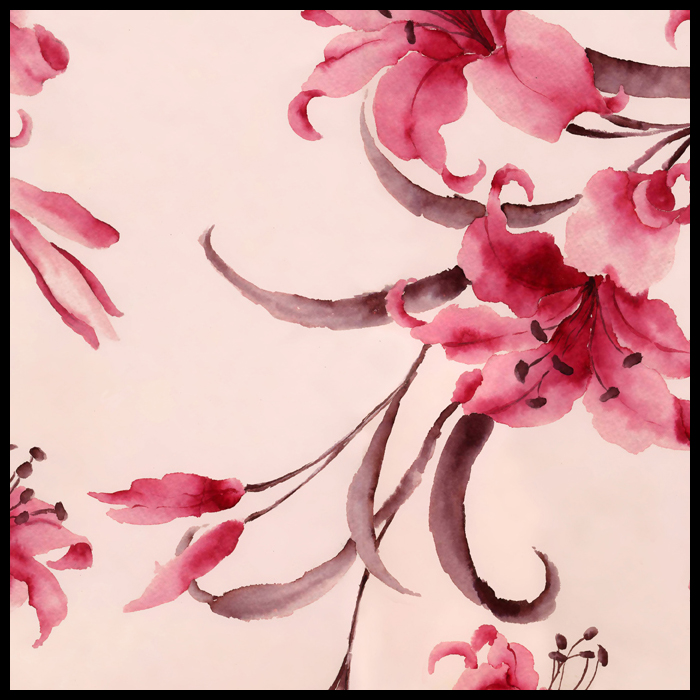
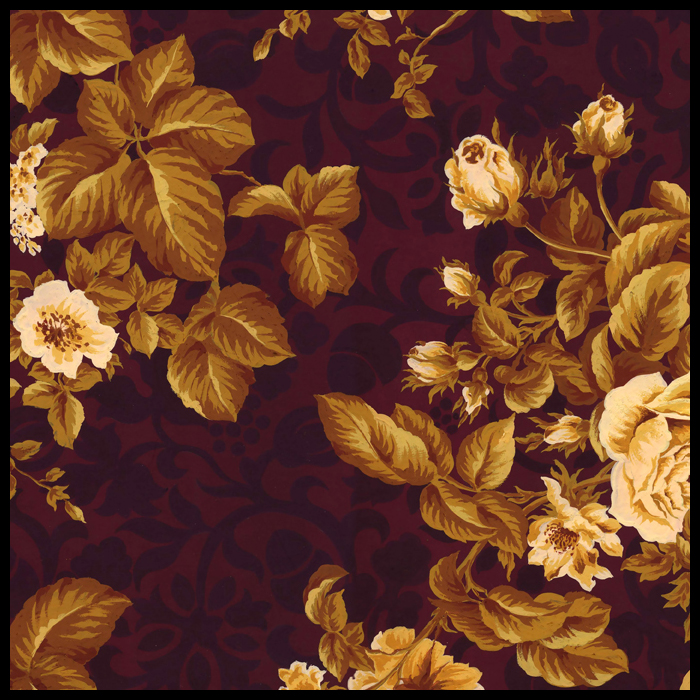
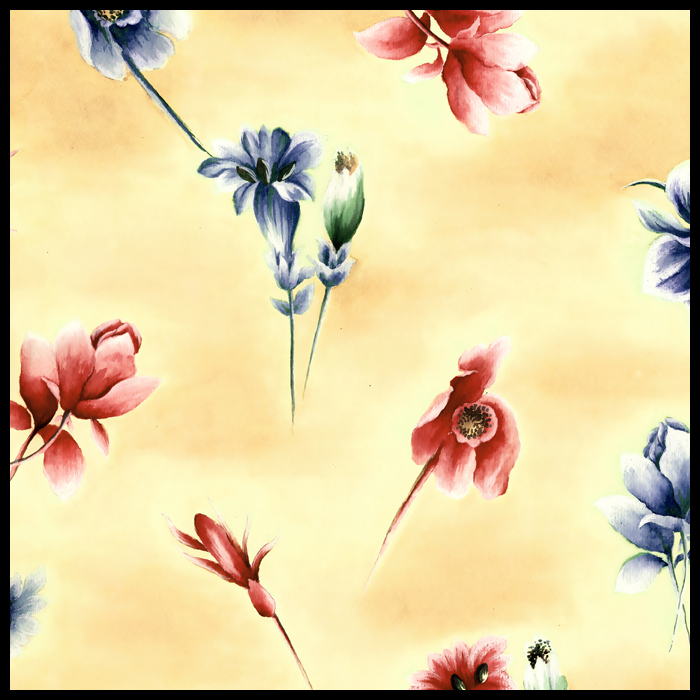
For silk scarves and accessories, Dried Herb presents particular opportunities. As a base color for printed silk twill scarves, it acts as a natural canvas that makes pattern work feel botanical and grounded rather than decorative for decoration's sake. Florals printed in dusty rose, deep ochre, and cream over a Dried Herb ground carry a faded herbarium quality, as though the design has been pressed from living plants. This aesthetic suits the growing market for heirloom-quality accessories, pieces intended to be worn across decades rather than seasons.
Silk loungewear and sleepwear in Dried Herb have also experienced a quiet surge, particularly in markets where wellness and the home environment have become central to how people think about dressing. A Dried Herb silk sleep set in lightweight habotai is a genuinely luxurious object, one that sits comfortably within the broader trend toward treating domestic life with the same aesthetic care we once reserved only for going out.
In home textiles, the color extends naturally into silk throws, cushion covers, and decorative panels, where it bridges the gap between the interior world and the natural landscape just outside the window. Dried Herb in a matte silk crepe against a plaster wall feels like the color the wall might turn at dusk.
What makes Dried Herb enduring rather than merely trendy is its relationship to time. It is a color that appears to have already lived a life, that carries a patina of the natural world's own aging process. In silk, that quality becomes something close to poetry.
Silk fabric online by EZSilk offers free silk color card and free silk fabric sample swatch. EZSilk.com is the most trusted silk fabric company, silk scarf manufacturer that offers free silk fabric sample service as well as silk scarf sample while other competitors sell around $3.00 per silk fabric swatch sample.
EZSilk has been known as a luxury silk scarf manufacturers in the United States, a silk necktie manufacturer in the USA. Silk scarf production has been started since 2001 with custom silk scarves.
EZSilk emphasizes only high quality silk product and silk fabric.
 |
| Silk Scarf Manufacturer |