Green Celadon Color in Fashion and Silk Textiles
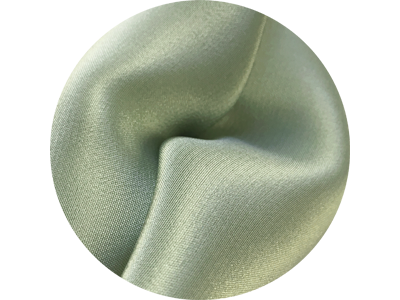
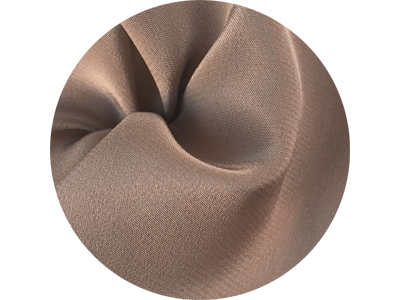
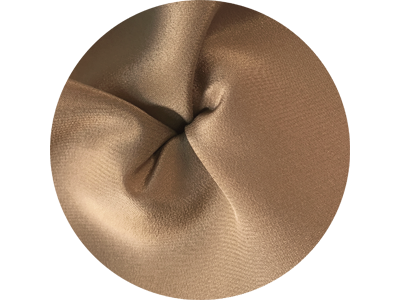
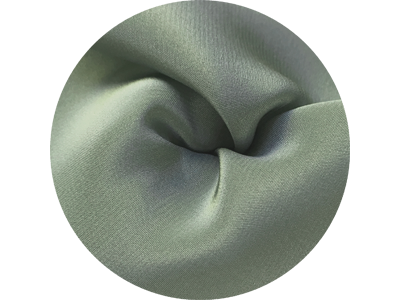
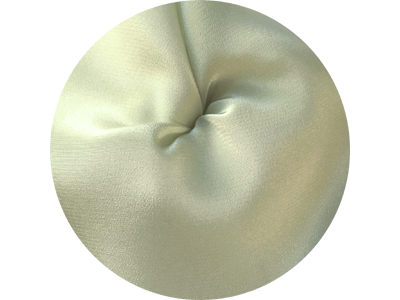
Silk Fabric Green Celadon Color
Few colors carry the quiet authority of celadon green. Named after the glazed ceramics produced in China and Korea during the Song and Goryeo dynasties, celadon occupies that rare territory between gray and green, between sage and aqua, where the eye finds rest rather than stimulation. It is a color that does not shout. It whispers, and in doing so, it communicates something that louder shades rarely manage: refinement, patience, and a sense of deep cultural memory. In the world of fashion and textiles, and particularly in silk, celadon green has become one of the defining accent colors of contemporary elegance.
Historically, the color was associated with the celadon pottery that prized artisans spent lifetimes perfecting. The glaze's characteristic tone, achieved through iron oxide fired in reduction kilns, produced a surface that seemed to hold light rather than reflect it. When textile designers and dye masters began translating this quality into fabric, they understood immediately that silk was the only logical medium. Silk shares with celadon pottery the same paradox of delicacy and permanence, the same ability to appear fragile while carrying centuries of craft behind it. A bolt of celadon-dyed silk charmeuse or habotai does not simply display a color; it performs one.
In contemporary fashion, celadon green has found strong footing across multiple silhouettes and seasonal contexts. It moves easily between warm and cool palettes, making it unusually versatile for a neutral-adjacent hue. Designers working in silk have embraced it for evening wear because the color absorbs artificial light in a way that flatters nearly every skin tone. Where emerald can overwhelm and olive can flatten, celadon lifts. A bias-cut silk satin gown in celadon becomes a study in how color and drape work together, the fabric's natural movement catching the light in shifting registers of gray-green that no paint chip or monitor can fully reproduce.
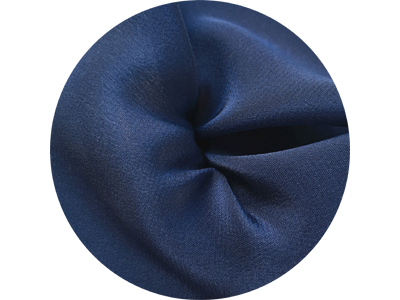
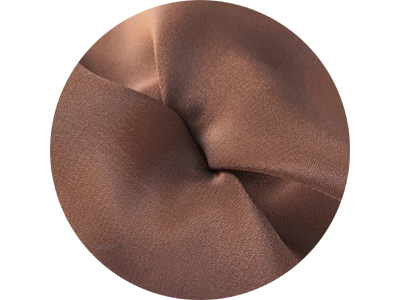
For daywear and resort collections, celadon appears frequently in lightweight silk gauze and crinkle chiffon, where its translucency plays a central role in the garment's effect. Layered silk organza in celadon creates a depth of field that solid wovens cannot achieve, with each layer adding a slightly different opacity so the color reads differently depending on how the wearer moves. Silk twill scarves and wraps in celadon have become perennial sellers precisely because the color sits so comfortably alongside ivory, camel, and stone neutrals, as well as with deeper shades like navy, burgundy, and charcoal. It functions as a neutral while still reading as color, which is a genuinely rare quality in a palette.
Custom Silk Scarf Manufacturer
The cultural resonance of celadon is also part of its appeal in markets across East Asia, where the connection to classical ceramics and court aesthetics remains vivid. In Korean hanbok-influenced contemporary fashion, celadon silk is used in jeogori tops and skirts that reference the Goryeo dynasty's celebrated aesthetic. Japanese designers have similarly drawn on celadon's relationship to seihaku-ji and celadon-glazed Kenzan wares, incorporating the color into kimono-silhouette coats and pleated silk trousers. In Western markets, these associations translate into a sense of considered authenticity that synthetic fabrics in the same color cannot replicate.
From a production standpoint, achieving a true celadon in silk requires careful attention to both dye selection and fabric weight. The color sits at the cool end of the green spectrum and can tip easily toward either turquoise or gray if the dye bath is not precisely managed. Reactive dyes on natural silk protein fibers behave differently than on cotton cellulose, requiring silk-specific mordants and controlled pH to land in the right register. Piece-dyed silk wovens tend to produce the most even celadon results, while yarn-dyed or printed versions allow for tonal variation that can feel deliberately artisanal.
What makes celadon endure in fashion, beyond any particular trend cycle, is its fundamental compatibility with luxury. It is a color that requires good materials to express itself fully. Polyester in celadon looks cheap almost by definition, while silk in celadon looks expensive even at moderate weights. That relationship between hue and fiber is not accidental. It is the same logic the Korean celadon potters understood centuries ago: some things only reveal themselves in the right medium.
Silk fabric online by EZSilk offers free silk color card and free silk fabric sample swatch. EZSilk.com is the most trusted silk fabric company, silk scarf manufacturer that offers free silk fabric sample service as well as silk scarf sample while other competitors sell around $3.00 per silk fabric swatch sample.
EZSilk has been known as a luxury silk scarf manufacturers in the United States, a silk necktie manufacturer in the USA. Silk scarf production has been started since 2001 with custom silk scarves.
EZSilk emphasizes only high quality silk product and silk fabric.
 |
| Silk Scarf Manufacturer |