Chinese Red Color in Silk Fashion and Textiles
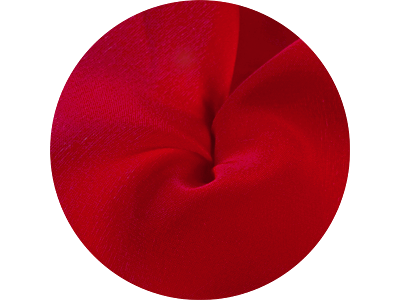
Few colors in the history of fashion carry the weight, warmth, and visual authority of Chinese red. Known in the textile world by names such as vermilion, cinnabar, and scarlet, this particular family of reds is far more than a trend cycle fixture. It is a color with thousands of years of civilization behind it, woven into the very identity of Chinese culture and, by extension, into the broader global language of luxury silk.
In Chinese tradition, red is considered the most auspicious color, symbolizing joy, vitality, and good fortune. It corresponds to the element of fire in the Chinese Wuxing philosophy and has been famously worn during the Chinese New Year for generations. This deep cultural grounding gives Chinese red a staying power that purely aesthetic color trends simply cannot match. When a designer or textile house works with this shade, they are not selecting from a palette so much as tapping into a living cultural inheritance.
In the realm of silk specifically, Chinese red finds its most natural and spectacular expression. Silk's characteristic luminosity — the way it catches and releases light with every movement — transforms this color into something almost living. A bolt of deep vermilion charmeuse drapes differently from the same shade rendered in cotton or synthetic fabric. The sheen of silk gives the red an internal glow, deepening its tones in shadow and brightening them in light, producing an optical richness that no other fiber quite replicates. This is why silk and Chinese red have been inseparable companions across centuries of textile history.

Custom Silk Scarf Manufacturer
The cheongsam, or qipao, represents the most iconic garment in which Chinese red has found its home, with red signifying fertility, luck, joy, and happiness in that tradition. Historically, all qipaos were made of precious and expensive silks, cementing the link between the fabric and this defining color. In the 1920s, as China modernized and women sought new forms of expression, the traditional robe began to evolve, influenced by Western fashion trends that emphasized the female form. Yet through all these transformations in silhouette and construction, the red silk cheongsam remained the definitive expression of Chinese feminine elegance.
In modern times, red remains the most popular qipao color for weddings and major festivals. Many Chinese brides choose a red qipao for their tea ceremony to honor their heritage and receive good blessings. In contemporary fashion, a red cheongsam is a stunning statement piece that projects cultural heritage and is often worn to galas and Chinese New Year parties. The garment has transcended its regional origins to become a globally recognized icon, and its red silk iteration is the one most deeply embedded in the collective imagination of fashion lovers worldwide.
Over the past decade, cheongsams and classic Chinese style have gained new prominence in the Chinese community at home and abroad, even amid the outsize influence of Western styles and brands. This revival has brought Chinese red back into the spotlight not as a nostalgic curiosity but as a genuine force in contemporary fashion. At Shanghai Fashion Week for fall 2026, designers working in the "New Chinese style" narrative used mixtures of materials including silk and linen, with red playing a central role. As designer Samuel Gui Yang noted, red can have so many textures and can be seen in so many ways — it is very Chinese, yet simultaneously universal.
Beyond the cheongsam, Chinese red in silk appears across a wide spectrum of clothing and accessories. Silk scarves in this shade have long been prized as wardrobe anchors, capable of transforming a neutral outfit into something with genuine drama. Younger adults often incorporate red through accessories such as silk scarves and embroidered collars, integrating the color into everyday dressing with deliberate intention rather than full ceremonial commitment. Silk blouses, wide-leg trousers, and draped evening gowns in Chinese red tones have also found their way into high fashion and ready-to-wear collections worldwide, proof that this color operates just as powerfully in a Western sartorial context as in an Eastern one.
For textile designers working with silk, Chinese red presents its own set of technical pleasures and challenges. Historically grounded shades such as vermilion, cinnabar, and burnt scarlet carry more symbolic and visual depth than brighter or fluorescent interpretations of red. When dyeing silk in these tones, achieving the right balance of depth and warmth requires care, as silk absorbs dye differently from other fibers. The result, when done well, is a color with extraordinary saturation and a surface that seems almost to radiate heat.
What makes Chinese red so enduring in fashion is precisely that it refuses to be merely decorative. It carries history in its hue. Whether rendered in the fluid drape of a silk satin evening gown, the crisp structure of a dupioni jacket, or the delicate translucency of a silk chiffon scarf, this color speaks with an authority that needs no explanation. Designers return to it season after season not out of habit but because it continues to deliver something no other color quite can — a sense of occasion, of meaning, and of beauty that goes all the way down to the thread.
Silk fabric online by EZSilk offers free silk color card and free silk fabric sample swatch. EZSilk.com is the most trusted silk fabric company, silk scarf manufacturer that offers free silk fabric sample service as well as silk scarf sample while other competitors sell around $3.00 per silk fabric swatch sample.
EZSilk has been known as a luxury silk scarf manufacturers in the United States, a silk necktie manufacturer in the USA. Silk scarf production has been started since 2001 with custom silk scarves.
EZSilk emphasizes only high quality silk product and silk fabric.
 |
| Silk Scarf Manufacturer |

No comments:
Post a Comment
Note: Only a member of this blog may post a comment.