Dry Rose in Silk Fashion and Textiles
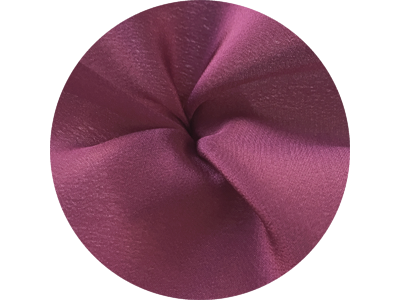
There are certain colors in the fashion world that feel fleeting, arriving with the force of a seasonal trend only to vanish as quickly as they came. And then there are colors that seem to belong to fabric itself, colors that feel almost inevitable when you drape a particular cloth and hold it to the light. Dry rose is one of those colors. Sitting quietly between the warmth of a faded petal and the cool restraint of dusty mauve, dry rose carries within it a kind of worn, natural beauty that communicates effortless sophistication without trying too hard. It is not the bold, saturated pink of a statement garment, nor is it the pallid blush of something timid. It occupies its own luminous middle ground, and it is this precise quality that has made it one of the most enduring and compelling hues in both fashion and textiles.
The appeal of dry rose in fashion has everything to do with its inherent wearability. As a grown-up response to the Barbie pink obsession that preceded it, this elegant tone taps into the same pretty energy whilst retaining a grounded and wearable edge. That balance is what distinguishes dry rose from its louder pink relatives. It does not demand attention so much as reward it. Designers have long understood that this shade possesses a rare quality: it flatters a wide range of skin tones with uncommon generosity, warming deeper complexions and softening paler ones in equal measure. Worn as a blouse, a slip dress, a wide-leg trouser, or a long wrap skirt, dry rose reads as considered and grown-up rather than girlish, which is precisely why it has become such a staple in contemporary wardrobes.
In the world of silk specifically, dry rose achieves something extraordinary. Silk's natural protein structure gives it an intrinsic luminosity, a soft internal glow that many synthetic fabrics can only approximate. When this luminosity meets the muted warmth of dry rose, the result is a color that appears to breathe. Silk has a natural sheen that gives it a lustrous appearance, and its ability to absorb color evenly results in rich and long-lasting hues. This quality makes dry rose particularly compelling on silk because the color never looks flat. It shifts and deepens as a garment moves, catching ambient light in ways that bring the tone to life across every fold and drape. Silk is brighter when wet during the dyeing process and will dry two values lighter, so dyers must plan colors accordingly — a consideration that actually works in dry rose's favor, producing a result that sits right at the edge of depth and delicacy.
Custom Silk Scarf Manufacturer
The styles in which dry rose silk appears are as varied as the fabric constructions that carry it. Silk charmeuse in this shade produces bias-cut dresses of almost liquid elegance, the kind of silhouette that moves with the body in long, unhurried waves. Silk chiffon in dry rose becomes featherweight layering — ideal for wide sleeves, wrap bodices, and full skirts that catch the air. Silk satin brings a more formal register, giving the color a cool gloss that suits evening wear and tailored separates alike. Even heavier weaves like silk dupioni take on dry rose with remarkable results, the slubbed texture adding dimension and structure to the softness of the hue. Each weave tells a slightly different story with this color, ranging from romantically soft to quietly authoritative, and that versatility is a large part of what makes dry rose such a beloved choice among designers and fabric buyers.
On the runway, the shade has been spotted at houses including Simone Rocha, Alaïa, and Chloé, woven into collections that pair it with chocolate browns, baby blues, butter yellows, and other creamy, pale shades — demonstrating a move toward a softer, subtler palette. This speaks to how dry rose functions not as an isolated statement but as an anchor for tonal dressing. In silk separates, it sits beautifully alongside ivory, sand, warm gray, and the deeper tones of terra cotta or burgundy. From dreamy dresses crafted in powdery pink silk gazar to ballet-adjacent petal pink separates, the fashion world has made clear that this refined version of pink is leading the way.
Beyond clothing, dry rose has staked its claim in silk accessories and home textiles as well. Silk scarves in this shade have long been cherished for the way the color softens any look it accompanies, whether tied loosely at the neck, folded into a jacket pocket, or wrapped around the hair. Silk pillowcases, linings, and decorative panels in dry rose bring the same quiet luxury into the domestic sphere, where the color reads as restful and refined in equal measure. The history behind rose tones on silk stretches back centuries. Rose silk fabric production in China can be traced to the Tang Dynasty, when people discovered that rose petals could be used to extract a natural dye for coloring silk, leading to the development of garments of deep cultural significance.
What makes dry rose endure across seasons and trends is ultimately its emotional register. It suggests warmth without excess, femininity without fragility, and refinement without coldness. On silk, which has always been the fabric most attuned to mood and movement, dry rose finds its most eloquent expression. It is a color for silk, and silk, in return, is the fabric for dry rose.
Silk fabric online by EZSilk offers free silk color card and free silk fabric sample swatch. EZSilk.com is the most trusted silk fabric company, silk scarf manufacturer that offers free silk fabric sample service as well as silk scarf sample while other competitors sell around $3.00 per silk fabric swatch sample.
EZSilk has been known as a luxury silk scarf manufacturers in the United States, a silk necktie manufacturer in the USA. Silk scarf production has been started since 2001 with custom silk scarves.
EZSilk emphasizes only high quality silk product and silk fabric.
 |
| Silk Scarf Manufacturer |

No comments:
Post a Comment
Note: Only a member of this blog may post a comment.